Why Football Remains the World's Most Popular Sport
Football is one of the most popular sports in the


Football is one of the most popular sports in the world, also known as soccer in many countries. Football is loved all around the world; from large arenas in Europe to dusty pitches in rural Africa. The reasons for this can be found by analyzing the history of football, the accessibility of the sport, and the culture that is associated with it.
A Simple Game With Universal Appeal
A big advantage of football is that it is a simple game. The only things needed for the game are a ball and an open space; no fancy equipment, no complex rules, no specific playing area. This makes it easy for children in Rio de Janeiro's favelas, kids in Lagos, and students in rural England to learn how to play the game. The accessibility of the game has enabled football to reach almost every part of the world.
The Emotional Power of the Game
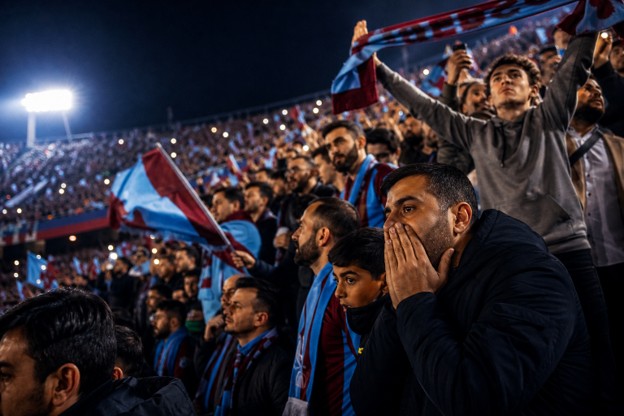
Football's appeal isn't just about accessibility; it's about emotion. Few sporting experiences match the tension of a last-minute goal, the heartbreak of a missed penalty, or the euphoria of a title-winning moment. These emotional peaks create lifelong bonds between fans and their clubs, often passed down through generations. Rivalries like El Clásico or the Merseyside Derby aren't just matches – they're cultural events woven into the identity of entire cities.
This emotional intensity has also fueled a massive ecosystem around the sport, including fan engagement platforms where enthusiasts can follow odds and predictions, such as through sport bet - 1xbet.com.zm/en, which many football fans use to add an extra layer of excitement to matchday.
The Global Business of Football
Football is also a massive economic engine. Transfer fees for star players regularly exceed hundreds of millions of dollars, and broadcasting rights for major leagues generate billions annually. Sponsorships, merchandise, and matchday revenue support not just elite clubs but entire local economies built around stadiums, hospitality, and tourism.
This commercial success has spilled over into related entertainment sectors. In markets like Zambia, where football fandom runs deep, many fans exploring top slot sites Zambian do so as part of the broader entertainment culture that surrounds major tournaments and league seasons, blending football viewing with other forms of digital leisure.
Why Football Beats Other Sports in Global Reach
Several factors explain football's dominance over other popular sports like basketball, cricket, or American football:
- Minimal equipment requirements – a ball is often all that's needed to start playing.
- Universal rules – the game is played almost identically everywhere, unlike sports with regional variations.
- Continuous, unscripted action – matches flow without frequent stoppages, keeping tension high.
- International competitions – events like the FIFA World Cup unite nations in a way few other events can.
- Deep historical roots – football's organized history stretches back over 150 years, giving it time to embed itself in cultures worldwide.
Football's Digital-Age Evolution
The development of technology has only increased football’s dominance as the most popular sport in the world. Fans can now watch games live through streaming services, engage in fantasy leagues, and use their smartphones as a second screen while watching the game. Social media and data analytics have played significant roles in making players global celebrities.
Even entertainment that does not directly relate to sports has changed accordingly. For example, there are some people who try to relax after watching the game through something like plinko casino game real money withdrawal online, showing how the world of digital entertainment is getting integrated with that of football.
Summary
The worldwide popularity of football is no coincidence; it is the result of its simplicity, emotion, economy, and its adaptability to technological and cultural change. Although peripheral industries such as entertainment venues and video games have developed around football, its real strength comes from its capacity for bringing people together, game by game and year after year, everywhere in the world.