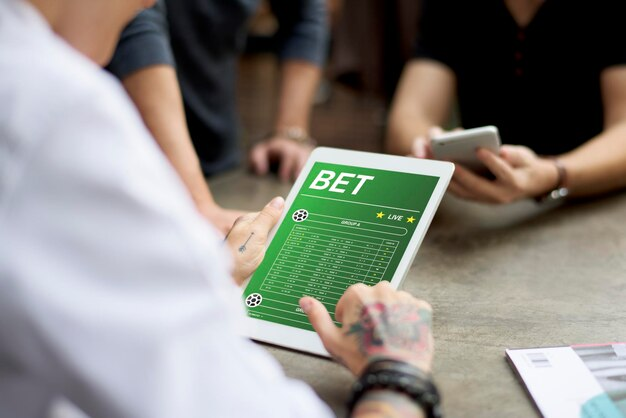
The cryptocurrency shift in Slovak football's wagering culture
Football betting in Slovakia is changing fast, wit


Football betting in Slovakia is changing fast, with digital currencies now playing a central role. Crypto has moved from a fringe novelty to an everyday option for thousands of Slovak punters.
Fans aren’t just drawn by the hype. They’re choosing crypto for privacy, speed, and the ability to bypass traditional banking limits. On any given weekend, it’s common to see Bitcoin or Ethereum wagers alongside euros on major local matches.
This trend is fueling a new generation of crypto-friendly betting platforms tailored to Slovak football fans. Operators are rolling out slick mobile apps, offering instant payouts and exclusive perks for digital asset users.
For bettors and bookmakers alike, these changes go far beyond payment methods. Crypto is shaping how fans interact with their clubs, how odds are set, and even how regulation is evolving.
In this article, I’ll explore what’s driving the crypto betting boom in Slovak football—and what it means for the future of sports wagering across the country.
Crypto adoption is reshaping how Slovaks bet on football
Over the past two years, I’ve noticed a major shift in how Slovak football fans approach wagering. Cryptocurrencies like Bitcoin and Ethereum are no longer niche options; they’re becoming part of the mainstream betting experience.
This trend is being driven by several factors. Privacy stands out as one of the strongest motivators. Many bettors are drawn to crypto’s ability to offer a more anonymous way to place their bets compared to traditional payment methods, especially as data protection concerns rise across Europe.
Another big reason for this shift is speed. With cryptocurrencies, deposits and withdrawals can happen within minutes rather than days. That quick turnaround appeals to both casual punters and seasoned players who want faster access to their winnings.
Slovak betting operators have responded by introducing crypto-friendly payment options and even launching dedicated sections for digital asset betting. Some local platforms offer unique perks for crypto users, such as lower transaction fees or exclusive odds boosts, which have further fueled adoption among tech-savvy fans.
I’d recommend anyone curious about this trend check out https://next.io/news/insights/crypto-in-sports-betting-unlocking-new-advantages-for-bettors-and-operators/ for a broader look at what’s driving crypto wagering across sports markets.
The Slovak market is still adapting, but it’s clear that digital assets are no longer just a buzzword—they’re shaping the habits of a new generation of football bettors.
How cryptocurrency is changing the Slovak betting experience
For both fans and operators, cryptocurrencies are doing more than just adding another payment option to Slovak football wagering—they’re quietly reshaping the entire experience.
I’ve noticed how these digital assets aren’t simply about tech novelty. Their real impact comes down to practical changes: security, speed, and flexibility.
On one side, crypto lets bettors protect their identities in ways that traditional banking never could. On the other, it removes a lot of friction from transactions, making deposits and payouts noticeably faster and less expensive for everyone involved.
It’s not just punters who benefit—operators are also able to innovate with new loyalty programs or instant payout perks only possible with digital currencies. This shift is encouraging more brands to rethink their offerings and risk strategies for a more modern audience.
Enhanced privacy and anonymity
The strongest pull of crypto betting for many Slovak fans is privacy. Traditional methods require sharing sensitive personal details every time you want to place a wager or cash out winnings.
Crypto platforms flip this on its head. Most allow you to deposit and withdraw using only your digital wallet address. That appeals especially to bettors who want their activities separate from their daily finances—or those who simply value privacy as a principle.
A 2023 survey by TiposFans indicated nearly half of Slovak bettors prefer crypto options mainly for increased privacy. (2023 TiposFans Survey)
In practice, this makes it easier for casual punters—like friends who pool together on big matches—to participate without navigating banking bureaucracy or worrying about credit card footprints.
Faster transactions and lower fees
If there’s one thing that stands out with crypto betting in Slovakia, it’s the time savings. Traditional payment channels can hold up withdrawals for hours—or days—especially after big wins on football weekends.
With cryptocurrencies, deposits hit your account quickly and withdrawals move at blockchain speed. The difference becomes especially obvious during high-traffic events like derby matches when banks slow down under load but the blockchain keeps running smoothly.
Fortuna SK reported in 2024 that average withdrawal times dropped by over a third after enabling crypto payments. (Fortuna SK Crypto Payment Report 2024) Lower transaction fees are an added bonus—funds move directly between wallets without banks taking a cut each time.
This is changing expectations among Slovak bettors, many of whom now consider fast payouts as standard rather than a luxury perk.
How Slovak bookmakers are responding to crypto betting and regulation
Cryptocurrency’s surge in Slovak football betting is forcing bookmakers to rethink their strategies.
Firms are not just adding digital payment methods. They’re competing to attract bettors who demand speed, privacy, and fresh incentives.
This race for digital relevance comes as regulators tighten controls. Operators must juggle tech upgrades with meeting strict new compliance rules.
The next two sections break down how top Slovak brands are adapting, plus what the evolving legal climate means for everyone in the industry.
Adapting to new technology and competition
Bookmakers in Slovakia didn’t waste time rolling out crypto-payment features as demand grew among younger, tech-driven football fans.
Some brands see this as a chance to leap ahead. Niké’s move stands out. In 2023, they launched a dedicated crypto wallet and paired it with a loyalty rewards program designed just for football punters. Niké Crypto Wallet Launch 2023
From what I’ve seen, this approach does more than streamline deposits and withdrawals. It creates extra value—loyalty points, special bonuses—that keep bettors coming back.
Other operators are experimenting with fast-tracked verification processes and app-based notifications when crypto balances change.
The result: the playing field is shifting toward those willing to invest in tailored experiences rather than just adopting a new currency type.
Navigating regulatory challenges
The regulatory side of crypto betting is getting tougher in Slovakia. As adoption spreads, authorities have stepped up efforts to ensure transparency and clamp down on illicit activity.
New rules rolled out by the Ministry of Finance in 2024 now require enhanced KYC checks and more detailed transaction reporting from every licensed operator handling crypto. Slovak Finance Ministry Directive 2024
This means bookmakers need robust onboarding systems that can verify users quickly without making the process frustrating or invasive for genuine customers.
I’ve noticed leading platforms balancing tech upgrades with compliance investments—regular staff training, automated monitoring tools, and better communication about user responsibilities all play a part.
This push-pull between innovation and oversight will likely define which operators build long-term trust in Slovakia’s growing crypto betting space.
The future of crypto wagering in Slovak football
Crypto is quickly moving from fringe experiment to mainstream option for Slovak football bettors.
This shift is opening the door for fresh innovation, but it’s also raising new questions around risk, fan engagement, and regulatory responsibility.
Operators who get ahead of the curve can stand out by building unique experiences that connect directly with digitally savvy fans.
At the same time, there’s a real need to keep an eye on volatility and safety as the pace of adoption accelerates.
Mainstream acceptance and fan engagement
The buzz around crypto isn’t just about placing bets faster or privately—it’s sparking new ways for clubs to interact with supporters.
More Slovak teams are experimenting with fan tokens and blockchain-based rewards programs that let supporters vote on club decisions or earn special perks.
This trend reflects what I’ve heard from fans at local matches: there’s genuine excitement about being part of a digital community tied to their favorite team, especially among younger generations.
Risks, volatility, and responsible gambling
The flip side of crypto’s flexibility is its unpredictability—prices can swing wildly in hours, which makes betting more complex than ever before.
This risk isn’t lost on operators or regulators. Many are doubling down on education and setting clearer boundaries to prevent harm among fans unfamiliar with crypto’s unique dangers.
One thing that impressed me recently: betting platforms now offer dedicated resources that explain both the potential rewards and pitfalls of digital asset wagering, sometimes even before a user makes their first deposit.
Conclusion: Crypto’s lasting influence on Slovak football betting
Cryptocurrency is doing more than adding a trendy payment method to Slovak football betting. It’s reshaping how fans engage, how operators compete, and what regulators watch.
The rise of digital assets has brought faster payments, increased privacy, and new products to the market. At the same time, it’s introduced fresh challenges around volatility and compliance.
What strikes me most is how both bettors and bookmakers in Slovakia are adapting so quickly—testing tools that didn’t exist a few years ago and navigating new rules as they arrive.
The coming years will likely see crypto-driven innovation continue, but careful oversight will be just as important as the technology itself in defining what Slovak football wagering looks like next.